Q1. What is the difference between a backlit LED panel and an edge-lit LED panel?
Backlit LED panel lights position the LEDs directly behind the diffuser, providing higher luminous efficiency, better heat dissipation, and a longer service life. They also reduce the risk of yellowing caused by aging light guide plates. Edge-lit LED panels place LEDs along the sides and rely on a light guide plate to distribute light evenly, resulting in a thinner profile but generally lower efficiency. For commercial offices, schools, hospitals, and other high-use environments, backlit LED panel lights are often preferred due to their durability, energy savings, and lower maintenance costs.
Q2. How do I choose between a 2x2 and a 2x4 LED flat panel light?
The choice depends on your ceiling layout and lighting requirements. A 2x2 LED flat panel is commonly used in conference rooms, classrooms, healthcare facilities, and smaller offices where balanced illumination is needed. A 2x4 LED flat panel is better suited for open-plan offices, retail stores, supermarkets, and large commercial spaces because it provides wider light coverage. Both sizes are designed for standard suspended T-grid ceilings and are available with multiple wattage and color temperature options.
Q3. Are LED flat panel lights suitable for commercial office projects?
Yes. LED flat panel lights are one of the most widely used lighting solutions for commercial office buildings. They provide uniform, flicker-free illumination that improves visual comfort while reducing energy consumption compared to traditional fluorescent fixtures. Features such as selectable wattage, selectable color temperature, and 0-10V dimming make them suitable for offices, schools, hospitals, retail stores, government buildings, hotels, and other commercial applications.
Q4. What certifications are required for LED panel lights in the U.S. market?
For commercial lighting projects in the United States, ETL or UL certification is typically required to verify product safety and compliance with electrical standards. FCC certification ensures electromagnetic compatibility, while DLC certification may be required for utility rebate programs and energy-efficiency incentives. Depending on the project requirements, additional certifications such as RoHS may also be requested. Always verify the certification requirements specified by your customer or local authority before purchasing.
Q5. Can LED flat panel lights replace fluorescent troffers?
Yes. LED flat panel lights are designed as an energy-efficient replacement for traditional fluorescent troffers. They offer lower power consumption, longer service life, instant start-up, reduced maintenance, and more consistent light output. Many commercial buildings replace fluorescent troffers with LED flat panels during renovation projects to reduce operating costs and improve lighting quality. Most LED flat panels are compatible with standard suspended ceiling systems, making installation quick and convenient.
Q6. Can you supply large commercial projects?
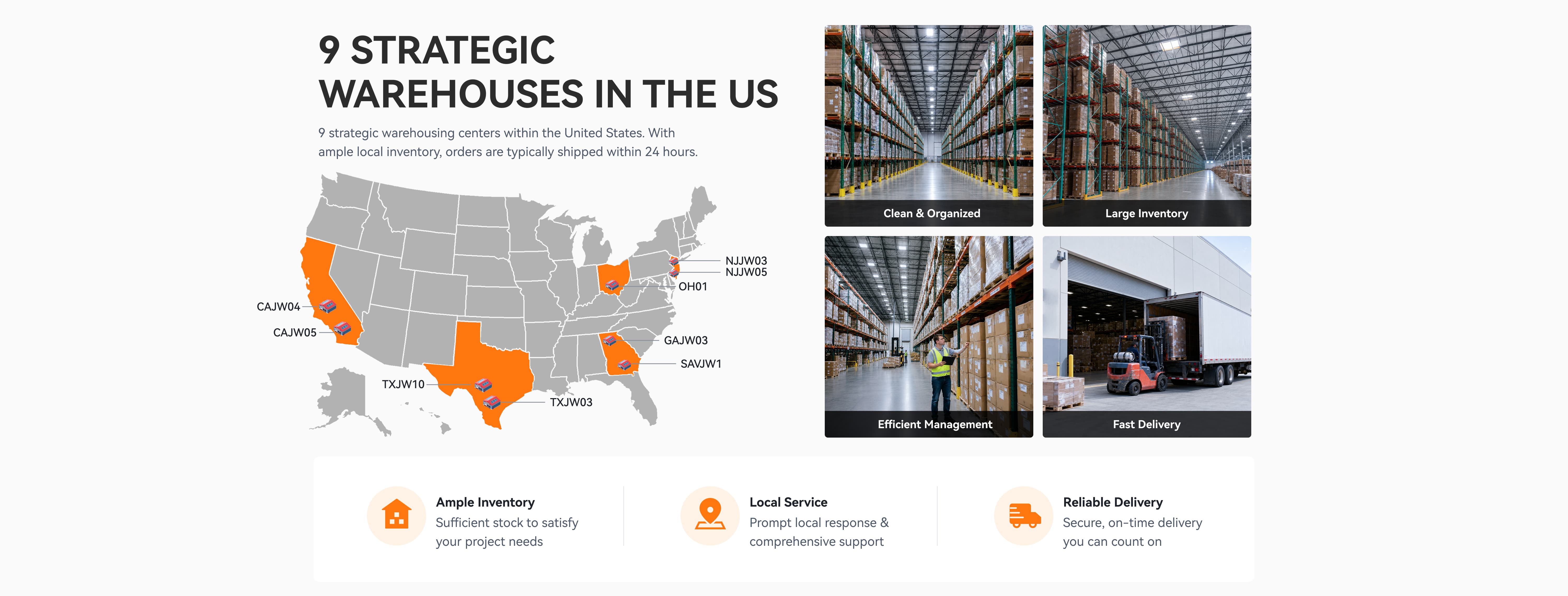
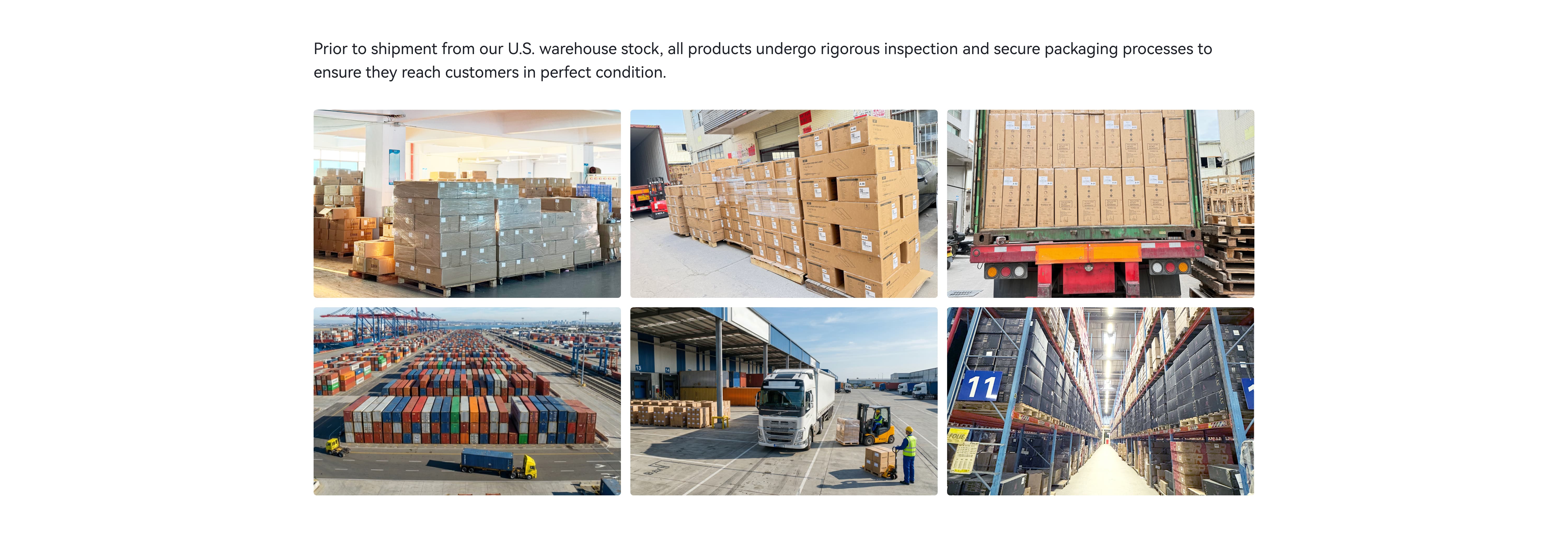
Yes. With over 10 years of manufacturing experience, ComiLED supports commercial lighting projects of various sizes. We offer a monthly production capacity of up to 100,000 units, OEM/ODM customization, strict quality control, and U.S. warehouse inventory for selected products. Our team works closely with distributors, contractors, and project managers to ensure reliable supply and on-time delivery for commercial and institutional projects.

 Company Information